Node.js 26.6.0 Explained Simply: What Changed and Who Should Care
Node.js is the program that runs JavaScript on servers (not only in the browser). Version 26.6.0 adds a few tools and fixes. Below is a simple reading of what matters — without assuming you already know every acronym.
What changed
- FFI helper — FFI means Foreign Function Interface: a way for JavaScript to call code written in other languages (like C). This release adds
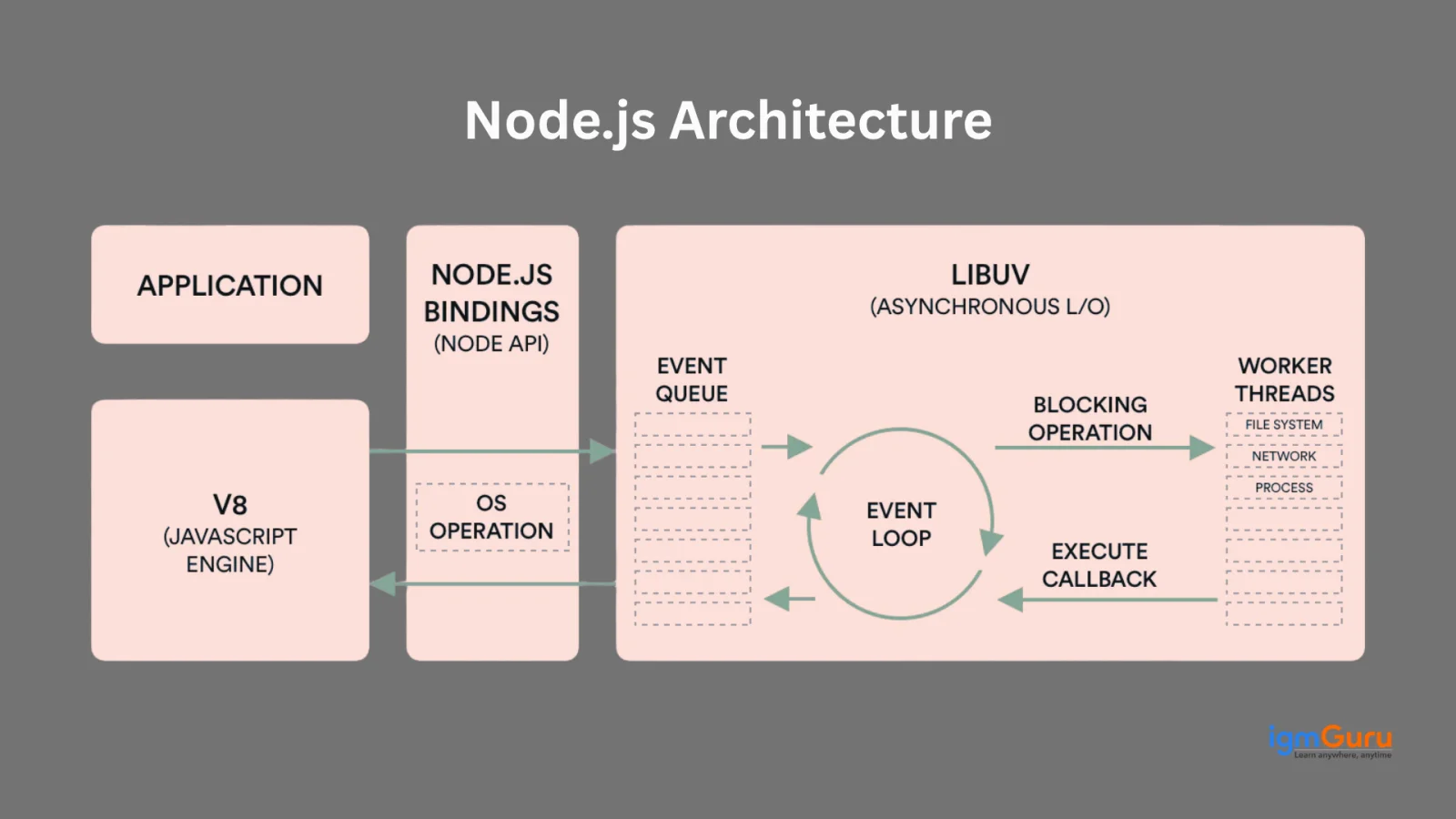
getCurrentEventLoop, which helps advanced native add-ons talk to Node’s main “to-do list” of waiting work (the event loop). Most app developers never touch FFI. - Test runner logging — Node’s built-in test tool can now print clearer logs during a test (
context.log()). In plain English: when an automated test fails, you get more breadcrumbs. - Crypto fixes — the crypto module is Node’s toolbox for encryption (locking data so only the right people can read it). Fixes around RSA keys and older Diffie–Hellman checks make that toolbox safer and more correct.
- Buffer / Blob stream fix — a buffer is a chunk of raw bytes in memory. A bug could keep too much of that memory around when streaming a
Blob. The fix reduces a memory leak risk.
Who is affected
- People writing or maintaining native add-ons (FFI) — small, specialized group
- Teams using Node’s built-in test runner who want better logs
- Apps that encrypt data, verify tokens, or handle HTTPS-related crypto in Node
- Services that stream binary uploads/downloads heavily
If you only write normal API routes with Express and never touch native modules, you still benefit from crypto and memory fixes — but you will not “feel” a new feature day one.
Practical impact
Day-to-day product code rarely changes. The win is reliability: fewer memory leaks, safer crypto edge cases, and nicer test logs. Treat 26.6.0 like a seatbelt update, not a redesign of your architecture.
If you are still on an older major line (for example 20.x or 22.x LTS at work), do not jump majors only because of this article — plan the major upgrade separately, then land on a current patch like 26.6.0 if that is your target line.
Action checklist
- Check your current version:
node -v - Upgrade on a staging machine first (never only on production).
- Run your test suite. If you use Node’s test runner, try the new logging where a flaky test hurts.
- Smoke-test login, payments webhooks, file uploads, and any crypto-heavy paths.
- Watch memory for a few hours after deploy if you stream large files.
When to ignore
Delay if you are frozen for a release this week, or if company policy pins an older LTS and a major bump needs a project of its own. Do not ignore security and memory fixes for months on a line you already run.
Good Food Pro’s backend runs on Node.js. Keeping Node healthy protects orders, realtime updates, and payments flows. More context in the docs, MongoDB change streams guide, and contact.