Understanding Node.js Web Workers: Bridging the Gap
Developers working with Node.js often face challenges when trying to implement Web Workers, a crucial feature for offloading CPU-intensive tasks from the main thread. While Node.js provides worker_threads, the API differences from browser-based Web Workers can create hurdles. This guide delves into the problem, its causes, and practical solutions to effectively integrate Web Workers in Node.js environments.
The problem
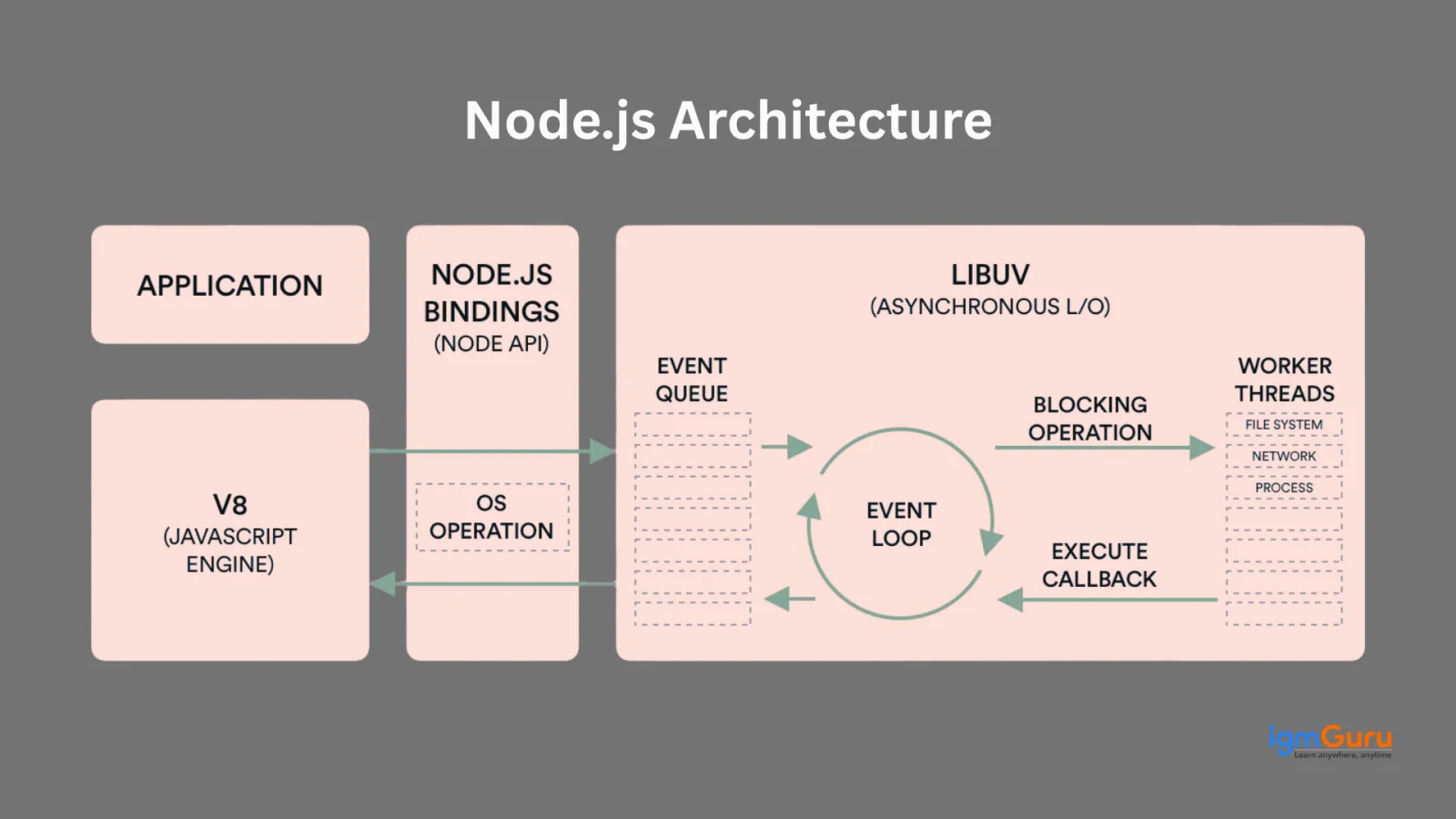
The primary issue developers encounter is the lack of native support for Web Workers in Node.js. This absence complicates efforts to create cross-platform applications that need to run both in browsers and Node.js environments. While Node.js does offer worker_threads, the API is not identical to the Web Workers API found in browsers, leading to compatibility issues and increased complexity in codebases.
Why it happens
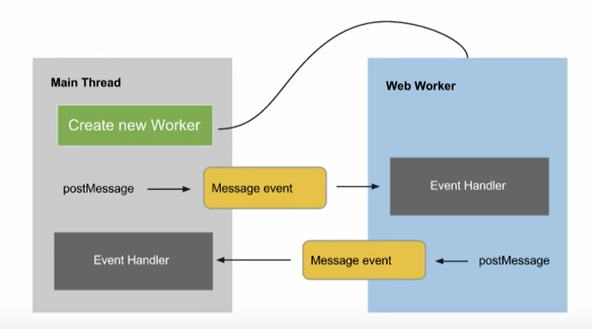
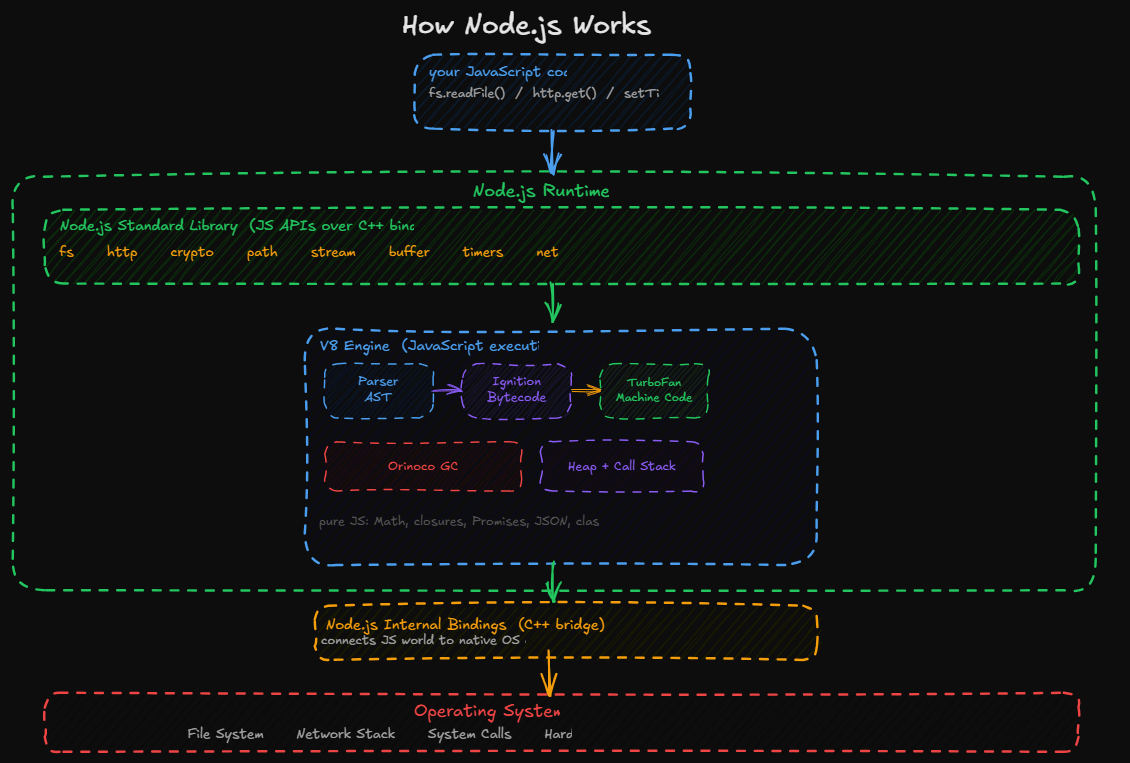
The divergence between Node.js and browser environments stems from their distinct design goals and operational contexts. Browsers have supported Web Workers for some time, allowing developers to offload tasks to separate threads, thus keeping the UI responsive. Node.js, primarily designed for server-side applications, introduced worker_threads to handle similar tasks. However, the APIs differ significantly, making it challenging to write code that works seamlessly across both environments.
Additionally, attempts to bridge these APIs through polyfills have been met with limited success. The most popular polyfill, for example, is incomplete and lacks active maintenance, leading to larger dependency trees and potential bugs.
The fix
To address these challenges, developers can consider several strategies:
- Polyfills and Libraries: While not perfect, using polyfills can help bridge the gap between
worker_threadsand Web Workers. Developers should evaluate the available options and choose one that best fits their needs, keeping in mind the trade-offs involved. - Custom Abstraction Layers: Creating an abstraction layer that standardizes the API across environments can simplify the development process. This approach requires upfront investment but can pay off in the long run by reducing code complexity and improving maintainability.
- Contributions to Node.js: Engaging with the Node.js community to advocate for native Web Worker support can be a long-term strategy. Contributing to the development of this feature can accelerate its implementation and benefit the broader developer community.
Action checklist
- Evaluate existing polyfills and libraries for bridging Web Workers and
worker_threads. - Consider developing a custom abstraction layer to unify APIs across environments.
- Engage with the Node.js community to advocate for native Web Worker support.
- Test implementations thoroughly to ensure compatibility and performance across platforms.
When it does not apply
These solutions may not be necessary for applications that are strictly server-side and do not require cross-platform compatibility. In such cases, leveraging Node.js's worker_threads without additional abstraction may suffice. Additionally, if performance and resource constraints are not a concern, the overhead of implementing polyfills or abstraction layers may outweigh the benefits.
For developers working on multi-platform applications, understanding and addressing the challenges of integrating Web Workers in Node.js is crucial. By leveraging the strategies outlined in this guide, developers can create more responsive and efficient applications.